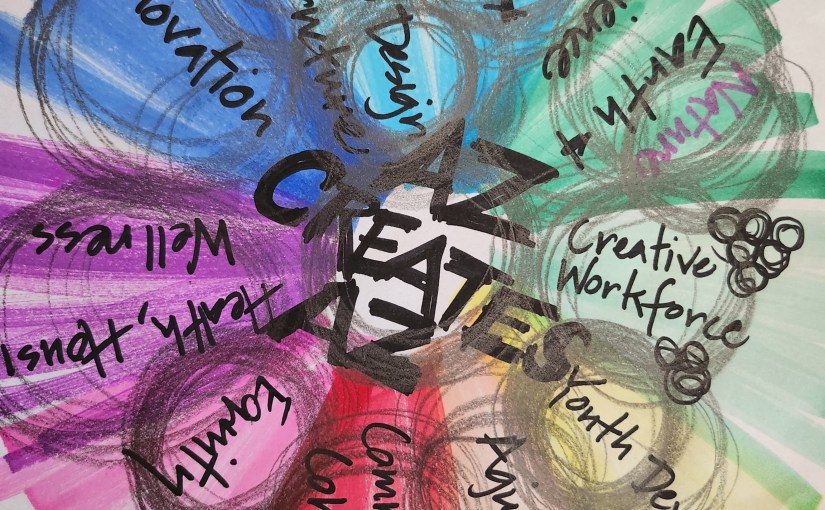
Keeping my old journals has worked out well for me. This week was no different, as I went searching for details of previous projects that seem newly relevant given the creative tensions at play in our shared world today.
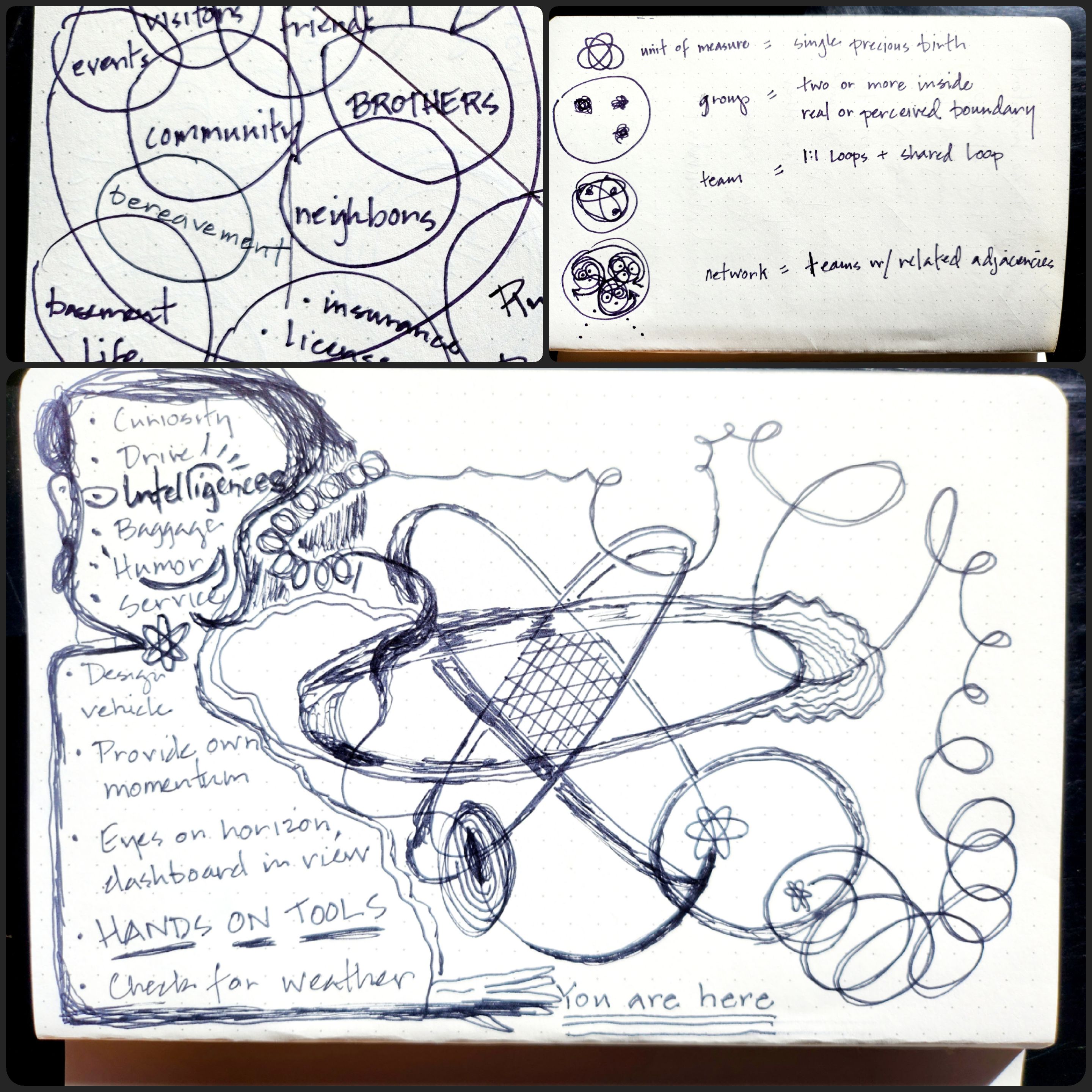
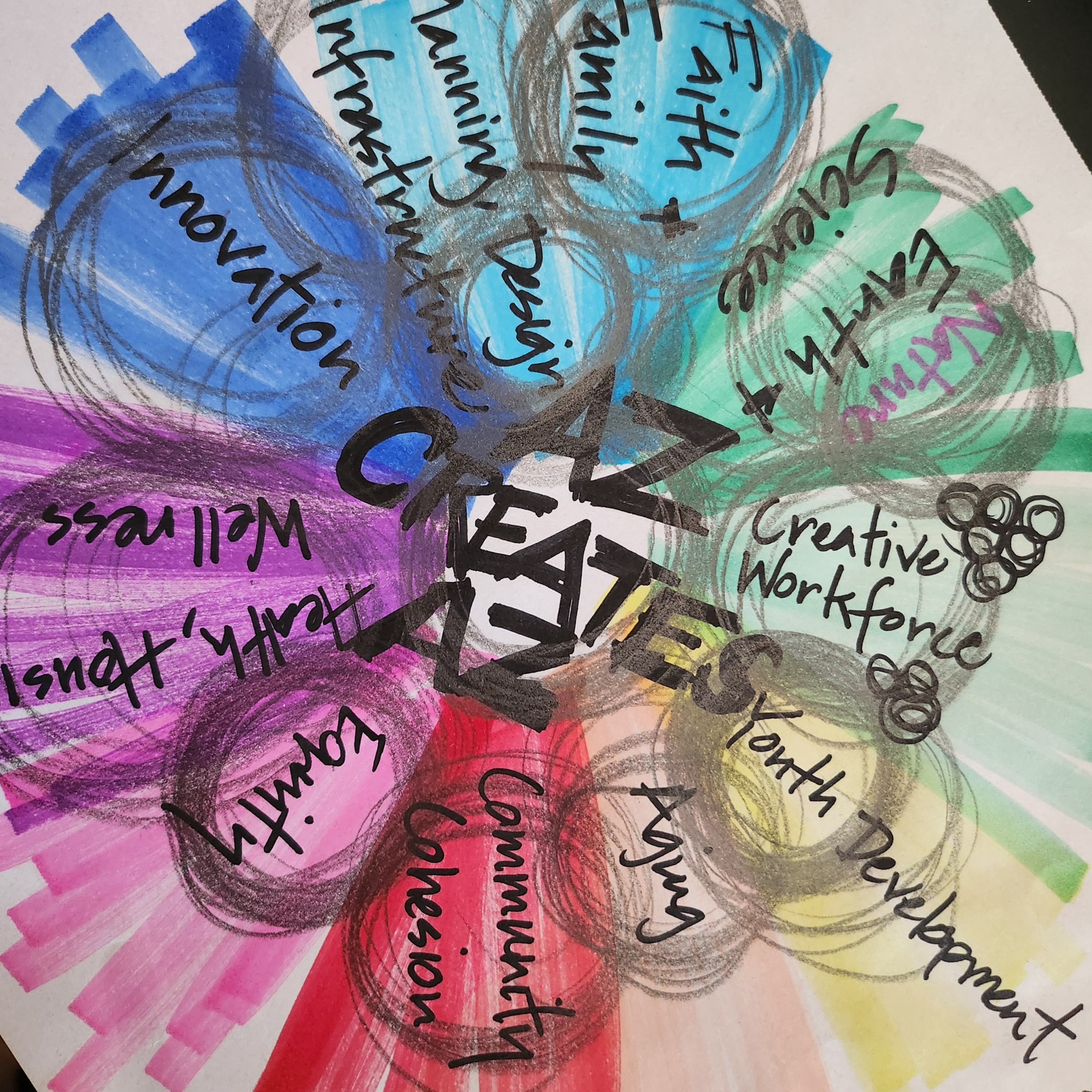
My Love Affair with the Circle is well-documented, or so I thought. Out of the files this week came another batch of old scratch images I’ve made over the years, as I have been trying to show how the arts and culture ecosystem can more elegantly arrange our ourselves.
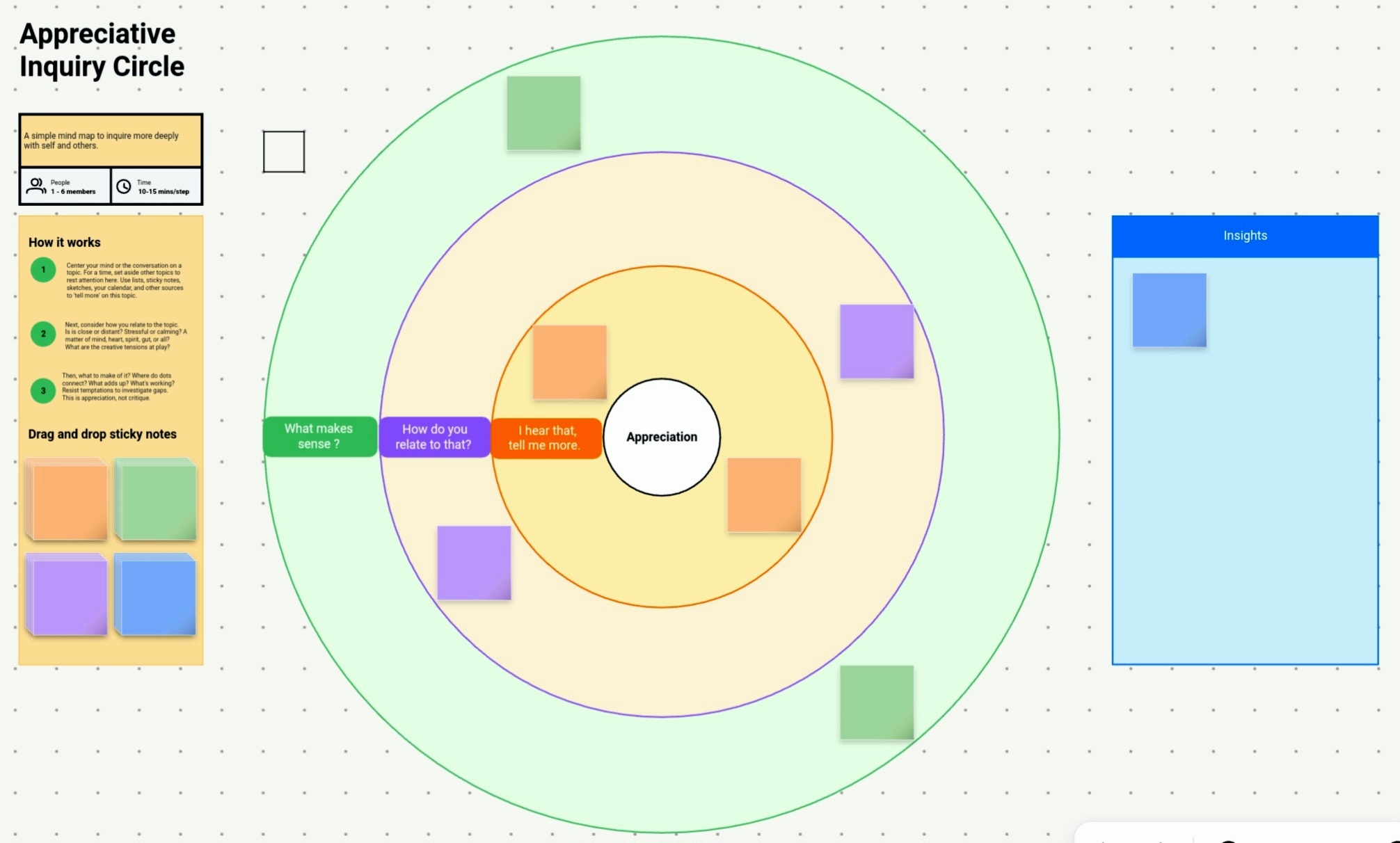
One of the circles I like the most is called the Arts Impact Explorer, but I call it the Rainbow Wheel. I wish it actually spun! Early in my career, I was on the team to help build it and I’m so proud of all the effort that has gone into it since. It goes hand-in-hand with the NEA’s seminal work on the arts ecosystem, which was developed in about the same era of arts policy.
In a chat after last week’s think tank, my colleague agreed. It’s a remarkably intuitive tool to illustrate how the arts work in society and to indicate the broader ripple effects we cause. Artists, organizations, community groups, and many others can use it to quickly find and connect to people with shared interests, stories of success, and data sources.
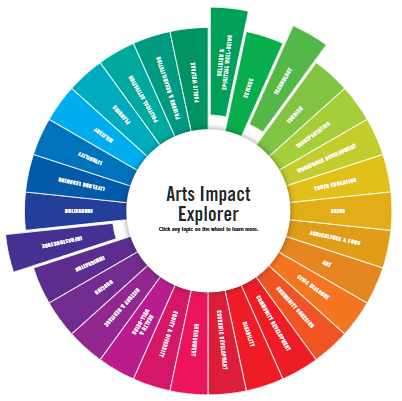
The Rainbow Wheel provides a lovely way to map the arts and cultural resources against the myriad social priorities that funders and elected leaders face, and to provide concrete examples where it’s important to speak across industry, sector, party, and cause.
In fact, I used it as an analytical tool to organize my thinking about the vast wealth of cultural resources in Arizona and how we might connect to the pressing needs of the communities we serve. A quick cross-reference with a list of grantees helped me see how artists, culture bearers, and creative leaders are already in place and at work, deeply embedded in ways that make them transformative leaders over time.
One of my more contentious positions in arts policy is that funders do the heavy lift on funding distribution. With data at scale now, we certainly can ascertain the known universe of creative assets in a particular place. Then, I think it’s our job to source all the funding necessary for the full slate of cultural work proposed. No more fighting for scraps, no more weird disconnects from context, and no more one-year grants. Funders are in the institutional position to shoulder the time element in our work with patience. It’s not quick, nor it is cheap.
I’m passionate about such ideas but they haven’t been practical thus far. Now, with a powerful metaphor for cultural infrastructure and perhaps a connective platform as simple as LinkedIn, much more seems possible.
I cheered quietly on last week’s call when someone said, “We need to speak in billions, with a B.” Were the American arts sector to self-organize in a highly functional way, I’m sure someone has MacKenzie Scott’s phone number. American cultural diversity and our future as a democratic experiment is worth the effort and expense.
I want the big numbers in people, too. Arts engagement is a decisive factor in our American quality of life for any number of reasons. The Rainbow Wheel helps me see how we could be phenomenally better organized in the future, and bring to bear the full strength of our collective cultural leadership in these crucial days ahead.
Circle up, friends. Time to map out what is ours to do now.
Discover more from Anne L'Ecuyer
Subscribe to get the latest posts sent to your email.

